Digital Wellness and Taking Strategic Breaks
In today's always-on work environment, the ability to disconnect and recharge is not a luxury—it's essential. Discover scientifically-proven strategies for taking meaningful breaks that prevent burnout, maintain focus, and sustain long-term productivity while protecting your mental health.
The Digital Burnout Crisis
The lines between work and personal life have become increasingly blurred. Canadians are checking emails at dinner, responding to Slack messages during family time, and carrying the weight of work stress into their bedrooms. This constant connectivity, while enabling efficiency, has created an epidemic of digital burnout.
According to recent research, 73% of Canadian workers report experiencing moderate to high stress levels, with technology use being a primary contributor. The problem isn't work itself—it's the inability to truly disconnect. Our brains never get the rest they need, leading to diminished focus, reduced creativity, and increased anxiety.
Strategic breaks aren't about laziness or lost productivity. They're about working smarter. When we allow our minds to rest, we return to our tasks with renewed clarity, improved decision-making abilities, and sustained energy throughout the day. The question isn't whether you have time for breaks—it's whether you can afford not to take them.

The Science Behind Strategic Breaks
Our brains are not designed for eight hours of uninterrupted focus. The ultradian rhythm—our body's natural energy cycles—operates in roughly 90-minute intervals. After each focused period, our body signals the need for a 15-30 minute recovery phase. Ignoring these signals leads to cognitive decline and mounting fatigue.
Attention Restoration
Studies show that stepping away from screens for even 10 minutes restores directed attention capacity. When we return to work, we're able to concentrate more deeply and solve problems more creatively than before the break.
Memory Consolidation
Rest periods allow your brain to consolidate information into long-term memory. Without breaks, new information doesn't stick. By taking regular pauses, you're actually enhancing your learning and retention capacity.
Stress Reduction
Continuous work elevates cortisol levels, your body's primary stress hormone. Strategic breaks activate your parasympathetic nervous system, triggering the relaxation response and lowering cortisol production naturally.
Creative Problem-Solving
The "aha moment" often arrives when you're not actively thinking about a problem. Breaks activate your default mode network, the brain region responsible for creative insights and novel connections.
Implementing the Break Strategy That Works
Different break strategies work for different people and situations. The key is finding an approach that fits your work style and commitment to consistency. Here are three proven methodologies adapted for Canadian workplaces:
The 90-Minute Ultradian Rhythm
Work intensely for 90 minutes, then take a 15-20 minute break. This aligns with your natural energy cycles, minimizing resistance and maximizing focus during work periods. After three cycles, take a longer 30-minute break to recharge completely.
The Pomodoro-Plus Method
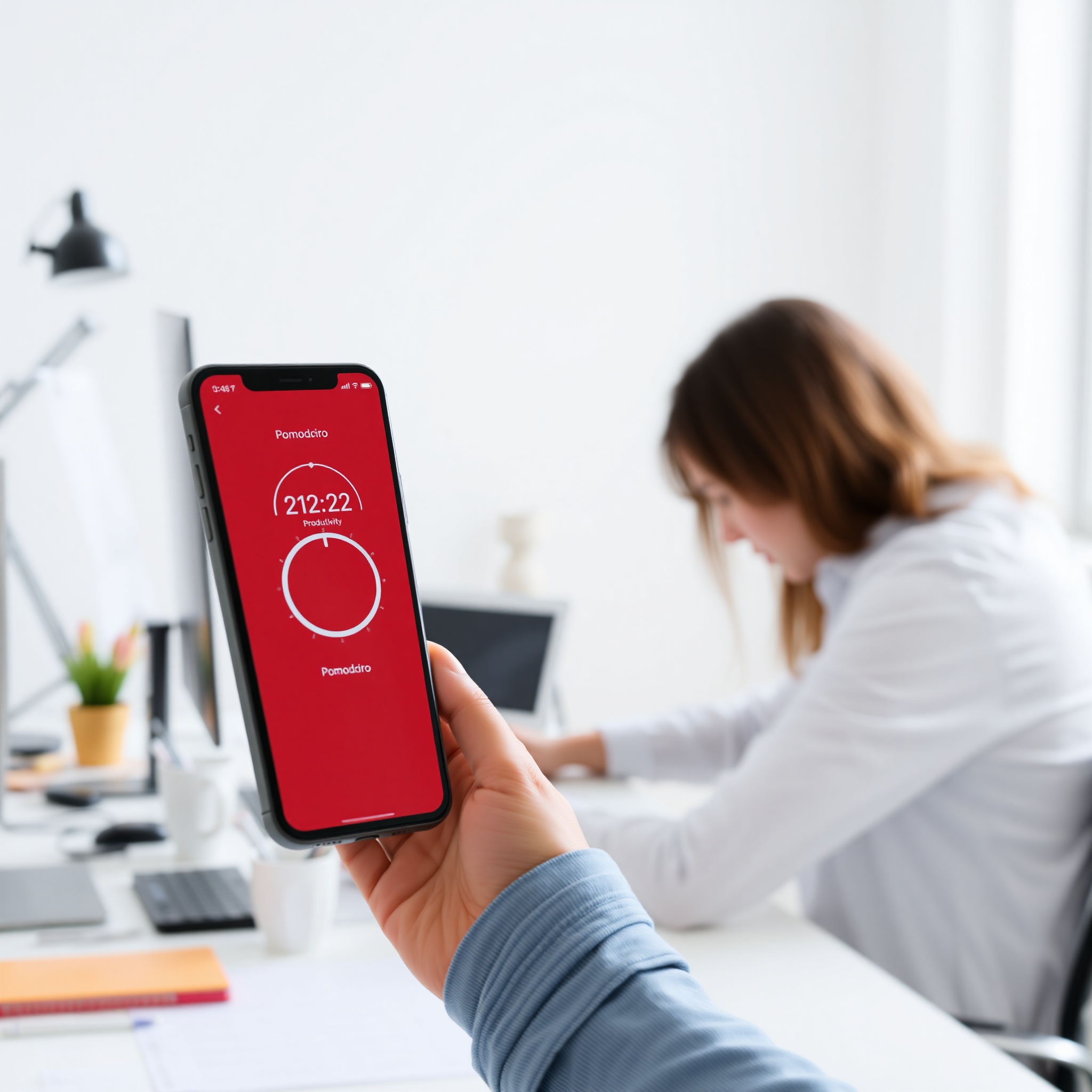
Work for 50 minutes, break for 10 minutes. This shorter cycle works well for tasks requiring frequent context-switching. The key advantage: breaks feel more frequent, preventing the mid-afternoon energy crash that plagues many office workers.
The Flexible Flow System
Take breaks when you naturally hit a stopping point in your work, rather than by rigid timer. This approach respects deep flow states while ensuring you never work more than two hours consecutively without stepping away from your screen.
Making Your Breaks Actually Restorative
Not all breaks are created equal. Scrolling social media while "taking a break" keeps your brain in high-alert mode—you're not actually resting. True restoration requires stepping away from screens and engaging in activities that genuinely rest your mind.
The 3-Step Break Protocol
Step 1 - Physical Movement: Stand up and move for at least 2-3 minutes. Walk to get water, do a few stretches, or climb stairs. Movement increases blood flow and oxygen to your brain, counteracting the stagnation of desk work.
Step 2 - Digital Detox: Step completely away from all screens. No checking emails, no scrolling, no "quick" messages. Your eyes need rest from screen glare, and your mind needs genuine disengagement.
Step 3 - Mindful Engagement: Do something present-focused. Look out a window at nature, practice breathing exercises, have a real conversation with a colleague, or simply sit quietly with your thoughts. These activities activate the parasympathetic nervous system and create genuine mental restoration.
When you return to work after a proper break, you'll notice the difference: improved clarity, renewed motivation, and better focus. This isn't placebo—it's neuroscience. Your brain has genuinely recovered, and your productivity will reflect that improvement.
Key Takeaways: Your Action Plan
Digital wellness isn't a destination—it's an ongoing practice. Start with these actionable steps to build strategic breaks into your daily routine and reclaim your focus, energy, and mental health.
1
Choose Your Break Method
Select one strategy (90-minute, Pomodoro-Plus, or Flexible Flow) and commit to it for two weeks. Don't switch methods mid-experiment—consistency is how habits form.
2
Set Automated Reminders
Use your calendar or a simple break timer app to remind yourself when to step away. Without reminders, we slip back into old patterns. Make it impossible to ignore.
3
Prepare Break Activities
Decide in advance what you'll do during breaks. Have a list ready: take a walk, do desk stretches, meditate, or chat with colleagues. This removes decision fatigue and ensures genuine rest.
4
Protect Your Breaks
Treat break time like important meetings—don't schedule over them. Communicate your break schedule to colleagues so they know not to interrupt. Your mental health is as important as any deadline.
5
Track Your Results
After two weeks, note your changes: energy levels, focus quality, mood, and productivity. You'll likely see significant improvement—and that data will motivate you to maintain the habit long-term.
Remember: Taking breaks isn't selfish or lazy—it's essential maintenance for your most valuable asset: your mind. In a competitive work environment, the ability to sustain focus and energy over the long term is your greatest advantage. Start today, and watch your productivity soar.